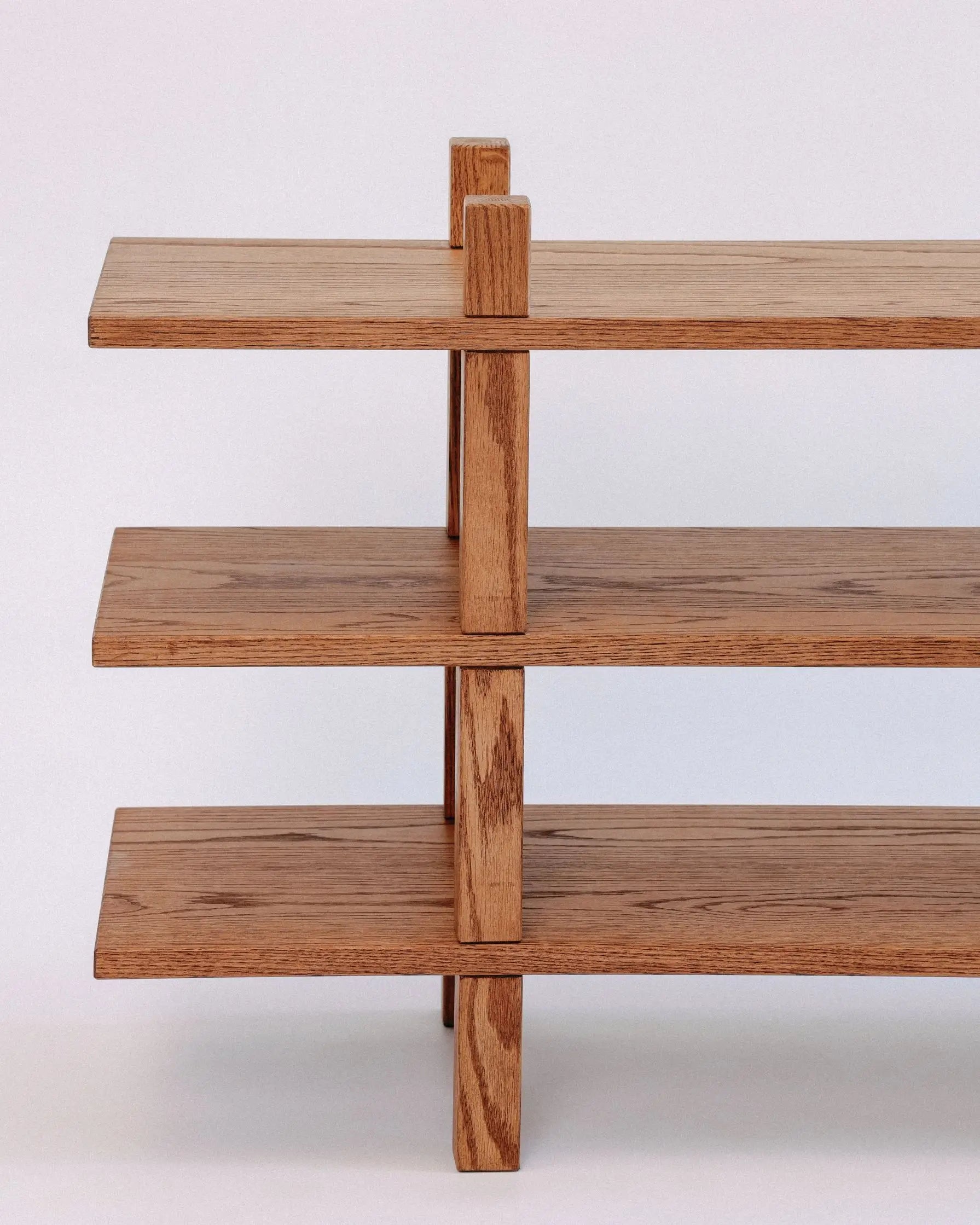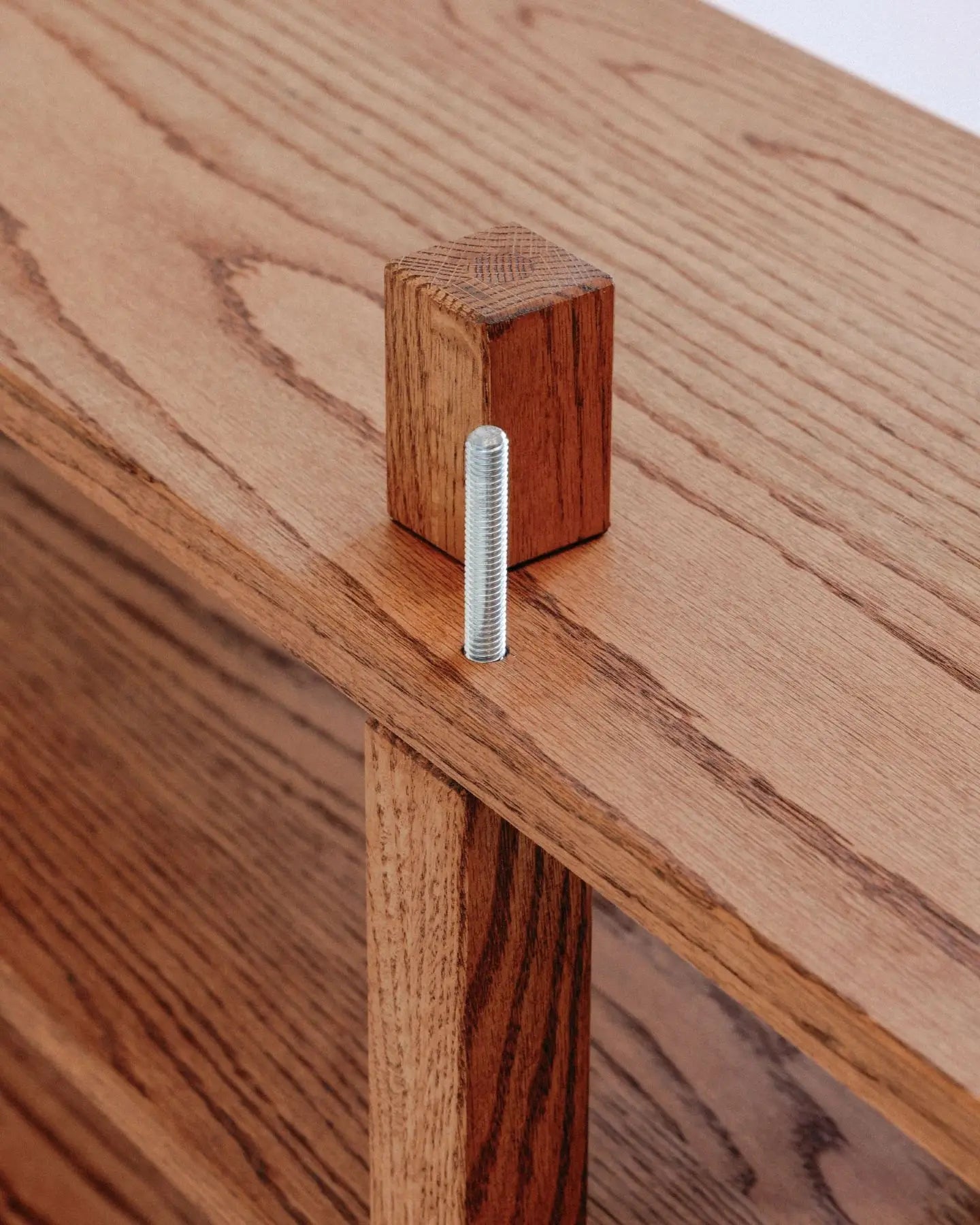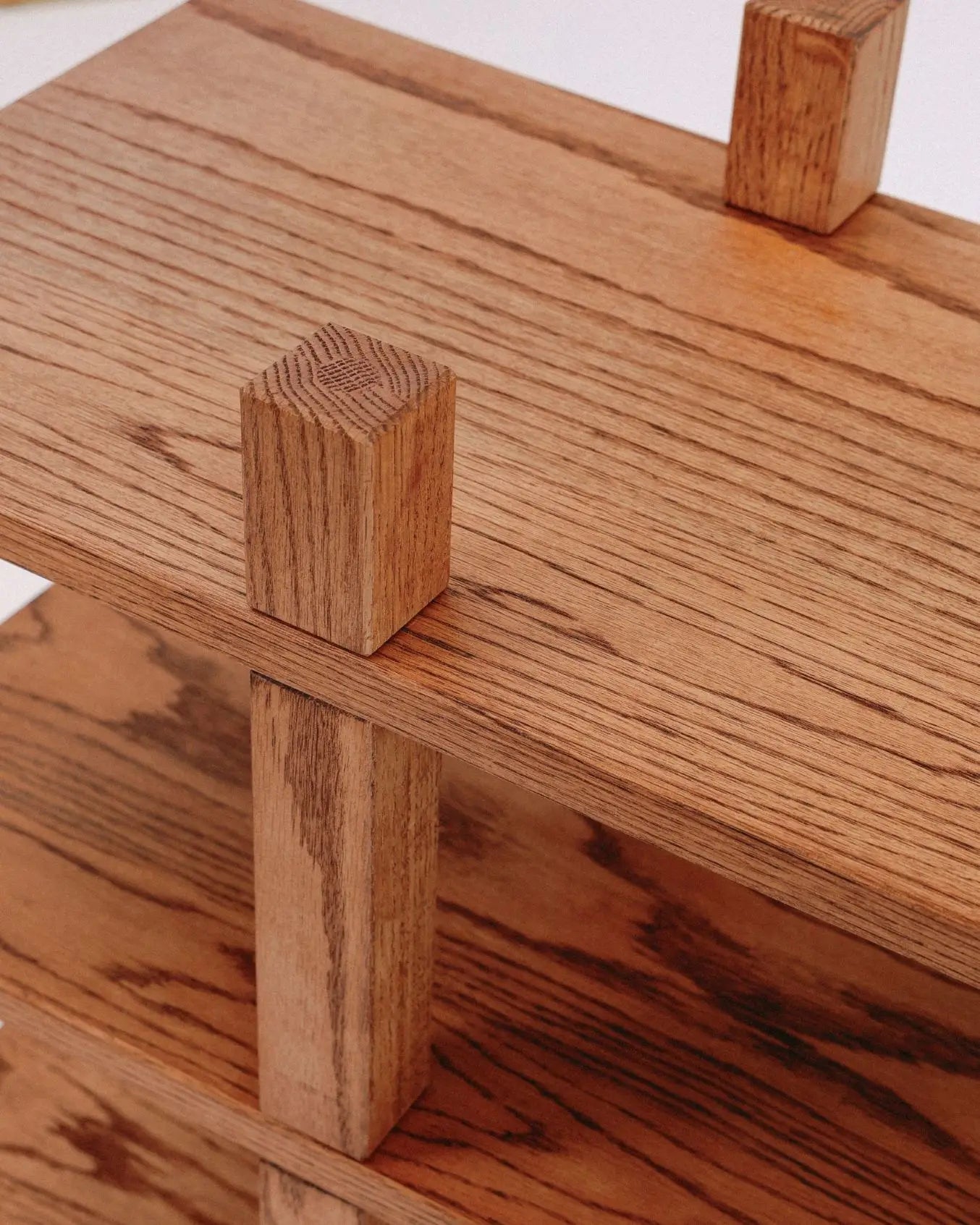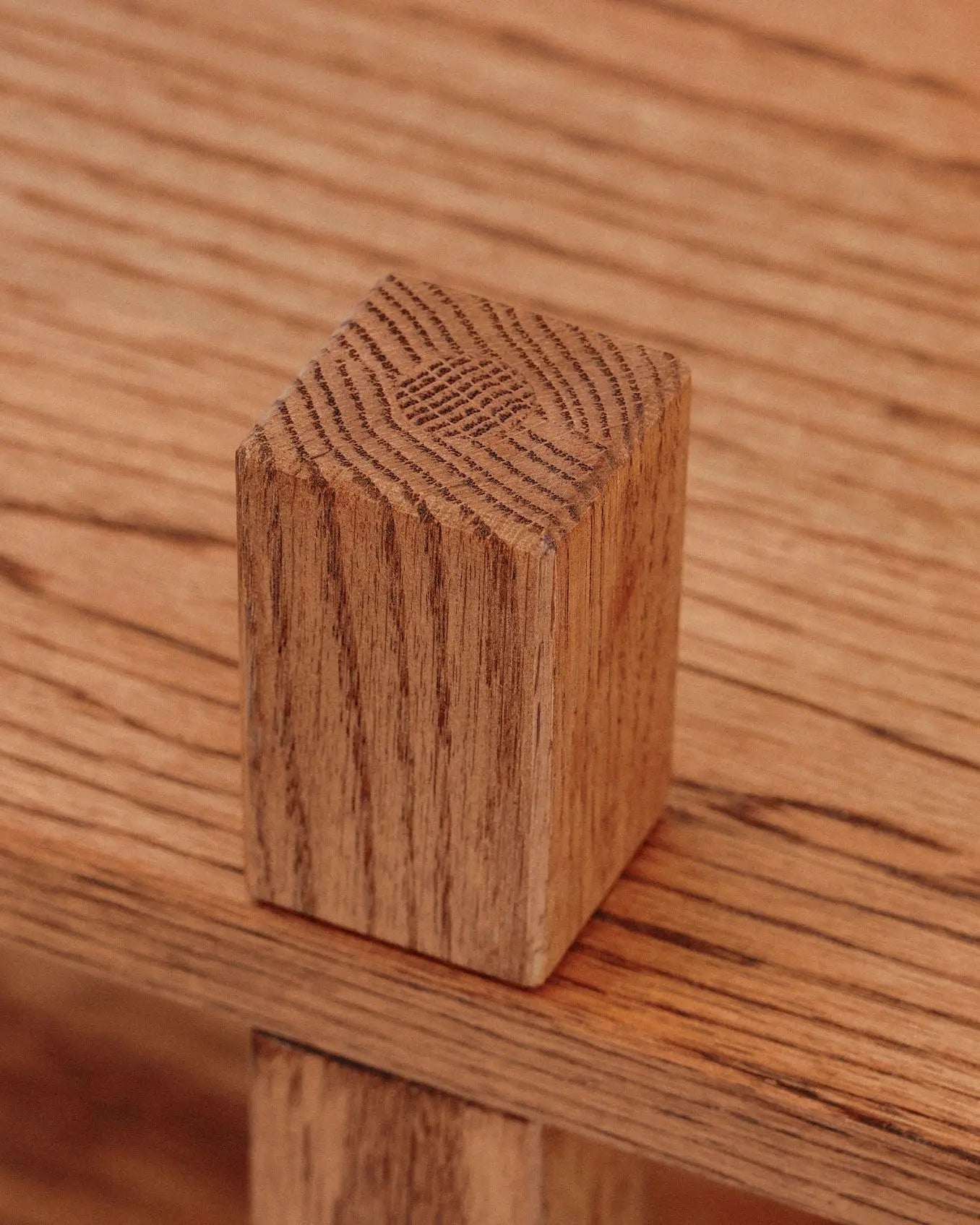

Introduction: Why Wood Often Feels “Rustic” and Why It Doesn’t Have to
Wood is one of the most versatile and timeless materials in interior design. Yet many homeowners hesitate to use wooden furniture in modern interiors because they associate it with rustic cabins, farmhouse kitchens, or heavy traditional décor.
This hesitation isn’t about the material itself. It’s about how wood has traditionally been used.
Modern interiors don’t reject wood. They use it differently.
In this guide, we’ll explain why wooden furniture often looks outdated, how modern design approaches wood, and how to style wooden pieces so they feel intentional, light, and contemporary, without slipping into rustic territory.
The Root Problem: Why Wooden Furniture Ends Up Looking Outdated
Wood rarely looks rustic by accident. It happens when several design decisions stack in the wrong direction.
The most common causes:
-
Overly dark or yellow-toned finishes that absorb light and feel visually heavy
-
Decorative details (carving, molding, visible joinery) that reference traditional styles
-
Thick proportions that dominate a room instead of supporting it
-
Too much wood at once, leaving no contrast or breathing room
In modern interiors, restraint matters more than abundance. Wood should support the space, not define it entirely.
Modern vs. Rustic Wood: The Real Difference
Material Is Not the Issue, Treatment Is
Oak, walnut, ash, and maple can all work beautifully in modern interiors. The difference lies in:
-
Finish (matte or low-sheen vs. glossy or orange-toned)
-
Color temperature (neutral or cool vs. warm and saturated)
-
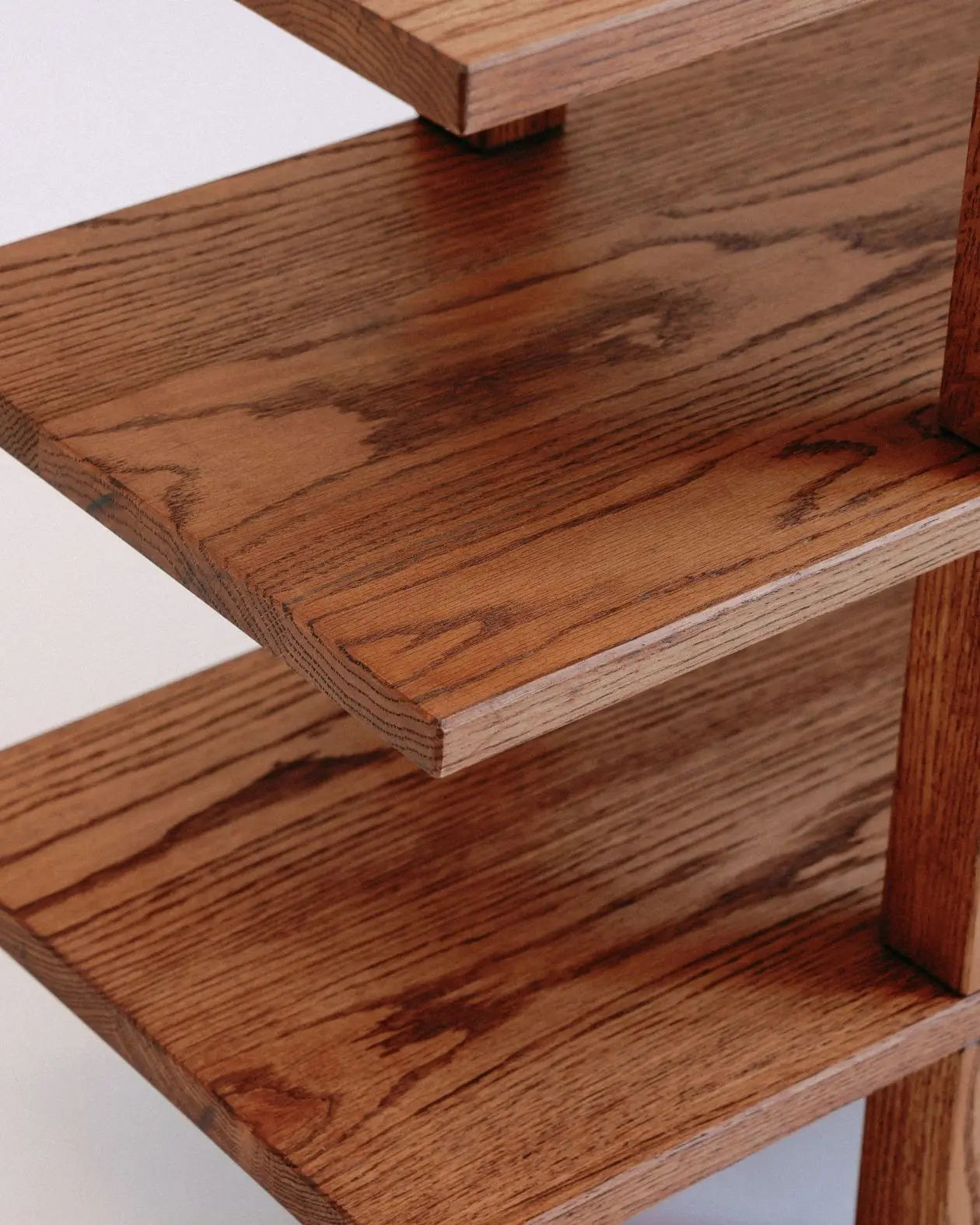
Surface clarity (smooth, consistent grain vs. distressed or textured)
The same oak can feel Scandinavian and modern or farmhouse and dated, depending on how it’s finished and shaped.
Form Over Ornament
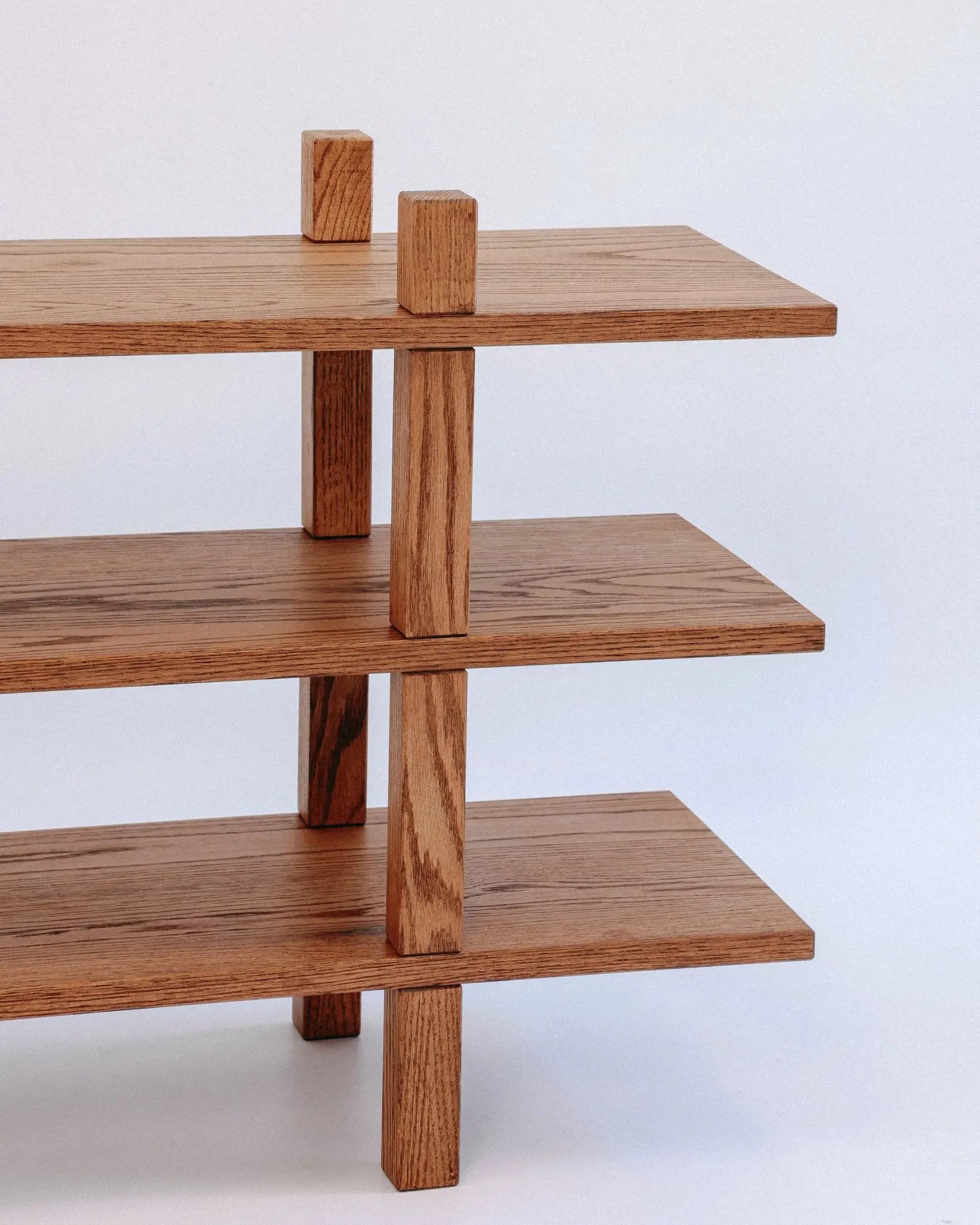
Modern wooden furniture prioritizes construction over decoration.
Key characteristics include:
-
Clean, uninterrupted lines
-
Slim or balanced proportions
-
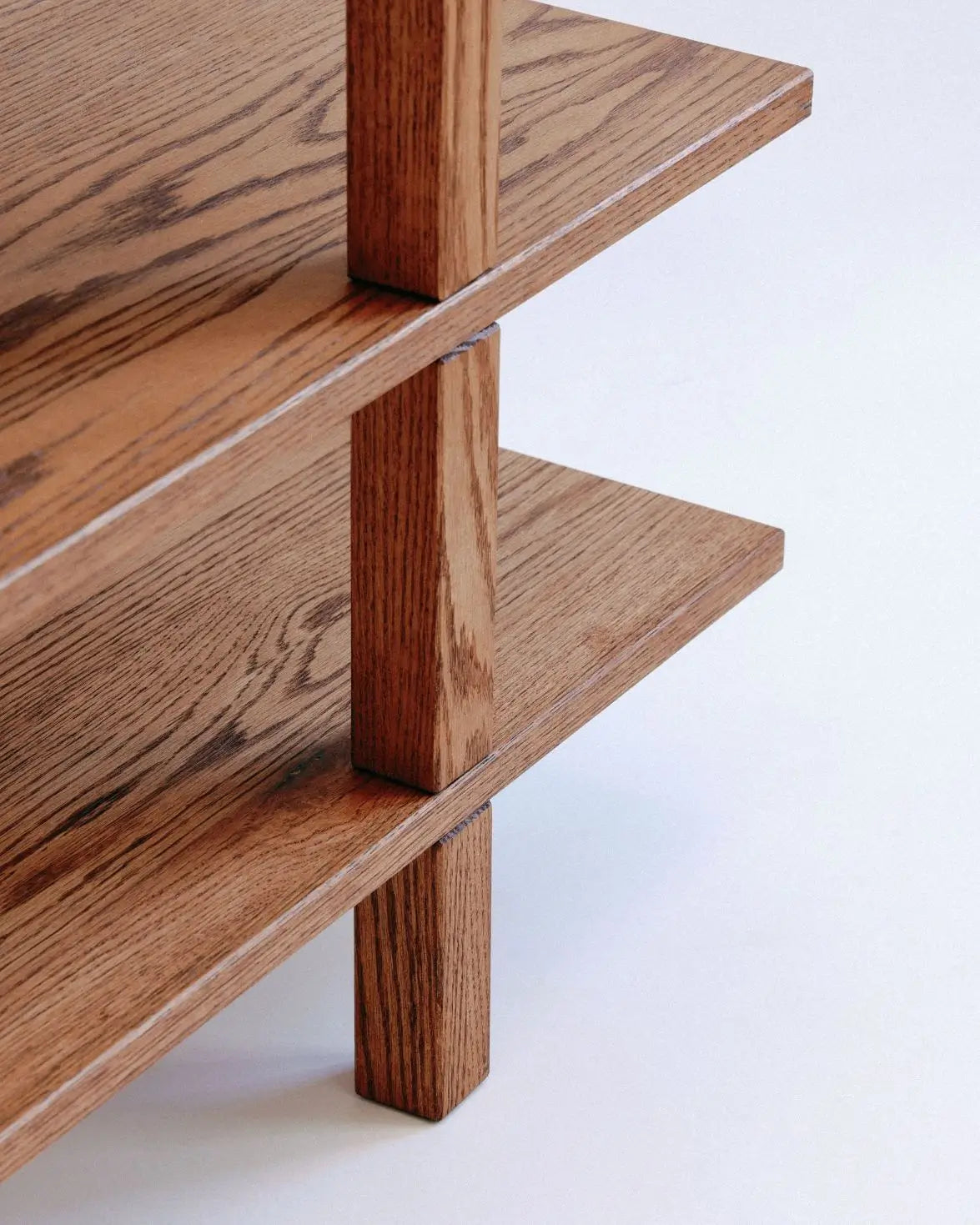
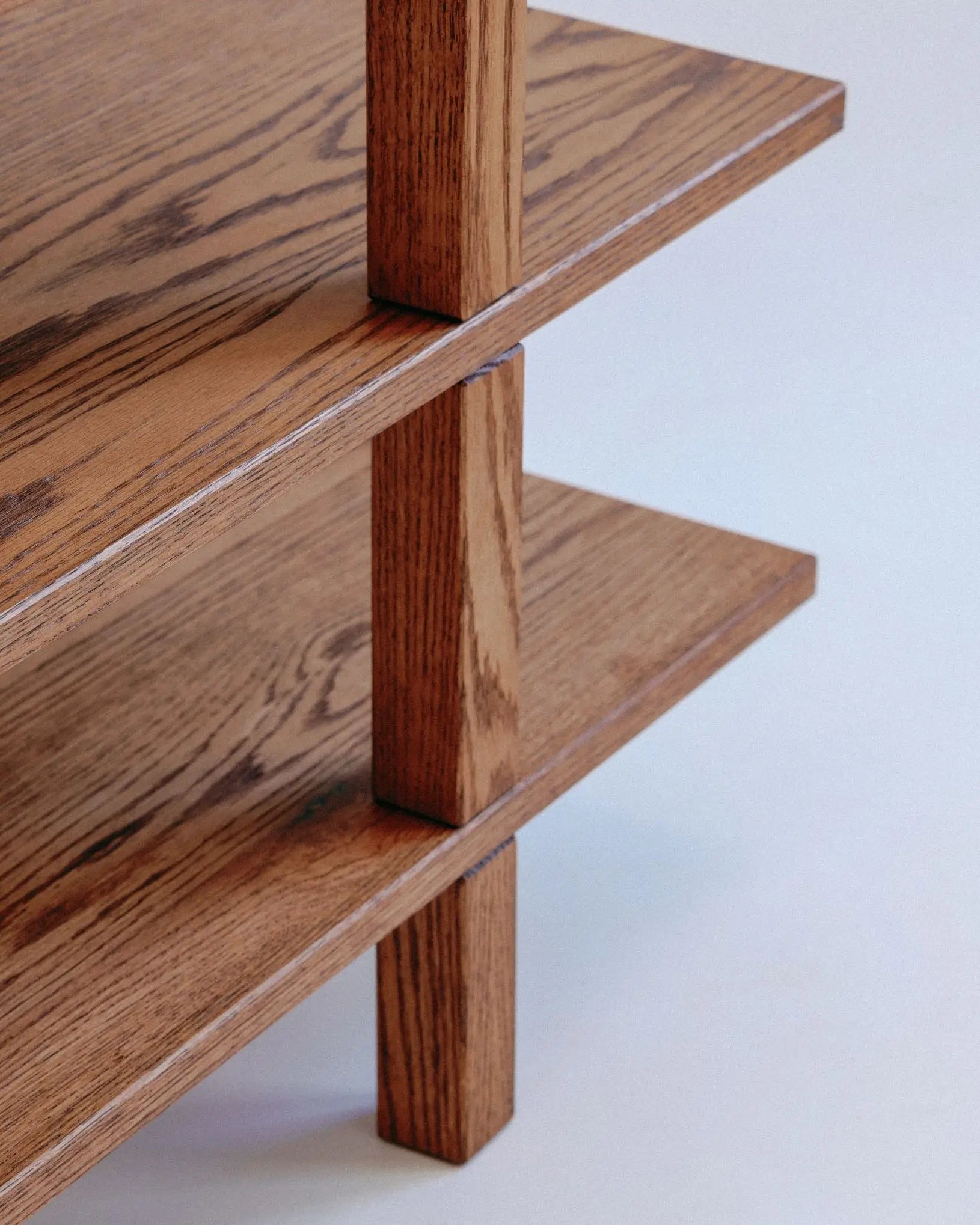
Hidden fasteners and minimal joinery
-
Functional geometry instead of visual embellishment
Handcrafted does not mean decorative. In modern design, craftsmanship shows through precision, not ornament.
Core Principles for Styling Wood in a Modern Interior
1. Choose the Right Wood Tone
Wood tone sets the emotional weight of a room.
-
Light woods (oak, ash, maple) feel airy and work well in smaller or brighter spaces
-
Mid-tone woods add warmth without heaviness when paired with neutral walls
-
Dark woods should be used sparingly and balanced with light surfaces
Avoid finishes that skew yellow, orange, or red, they are the fastest way to make wood feel dated.
2. Let Wood Be the Accent, Not the Theme
Modern spaces rarely rely on wood as the dominant visual element.
A useful rule:
-
One primary wooden feature per room
-
One secondary piece at most
This approach keeps wood intentional and prevents visual overload.
3. Pair Wood with Modern Materials
Wood looks most modern when it’s not alone.
Effective pairings include:
-
Wood + matte black or brushed metal
-
Wood + stone or concrete textures
-
Wood + soft, neutral textiles
Contrast sharpens modernity. When everything is wood, nothing feels designed.
4. Use Negative Space Intentionally
Negative space is one of the most overlooked elements of modern interiors.
Wooden furniture benefits from space around it:
-
Open areas allow grain and form to stand out
-
Fewer surrounding objects make wood feel deliberate
Modern design values what you don’t fill as much as what you do.
5. Keep the Color Palette Controlled
A restrained palette allows wood to feel refined.
-
Neutral walls (warm whites, soft grays, muted earth tones)
-
Limited accent colors
-
Repetition of materials rather than variety
When color and material choices compete, wood loses its clarity and reads as clutter.
Styling Wooden Furniture by Interior Style
Scandinavian Interiors
Scandinavian design uses wood to soften minimalism.
Key traits:
-
Light wood tones
-
Functional, honest forms
-
Natural light and simple silhouettes
Wood here feels warm, not decorative.
Japandi Interiors
Japandi blends Japanese restraint with Scandinavian warmth.
Wood in Japandi spaces is:
-
Low-profile
-
Calm and intentional
-
Paired with natural textures and negative space
Fewer pieces, higher impact.
Minimalist & Contemporary Spaces
In minimalist interiors, wood acts as a grounding element.
It adds warmth without disrupting clarity, when proportions are precise and finishes are subtle.
Real-World Examples: What Actually Works
-
Slim wooden curtain rods instead of bulky hardware keep windows clean and architectural
-
Floating wooden shelves replace heavy bookcases and preserve wall space
-
Compact desks with simple geometry support modern workspaces without visual noise
The common thread: lightness, proportion, and restraint.
Common Mistakes to Avoid
-
Mixing rustic and modern elements unintentionally
-
Over-decorating wooden surfaces
-
Choosing furniture before defining the room’s overall direction
Modern design works when decisions are intentional and aligned.
Practical Takeaways: Modern Wood Styling Rules
-
Wood is modern when form and finish are controlled
-
Fewer wooden pieces create stronger impact
-
Contrast makes wood feel contemporary
-
Negative space is a design tool
-
Craftsmanship shows through precision, not decoration
FAQ: Modern Wooden Furniture Styling
Can wooden furniture work in a minimalist home?
Yes. When the form is simple and the finish is neutral, wood enhances minimalism rather than competing with it.
What wood color looks most modern?
Light to mid-tone woods with matte finishes tend to feel the most contemporary.
How do I avoid a farmhouse look?
Avoid distressed finishes, decorative detailing, and overly warm tones.
Is dark wood always too heavy for modern interiors?
Not necessarily, but it should be used sparingly and balanced with light materials.
Can I mix different wood tones?
Yes, if the undertones are consistent and the palette remains limited.
Final Thought: Modern Design Doesn’t Exclude Wood
Wood belongs in modern homes when it’s treated with intention.
By focusing on form, finish, proportion, and space, wooden furniture becomes a quiet architectural element, adding warmth without visual weight.
Modern interiors aren’t about avoiding wood. They’re about using it with clarity and purpose.